up to ~15 m
Small wooden boat / day boat
- Programme basis
- Project-specific
- Estimate basis
- Written estimate
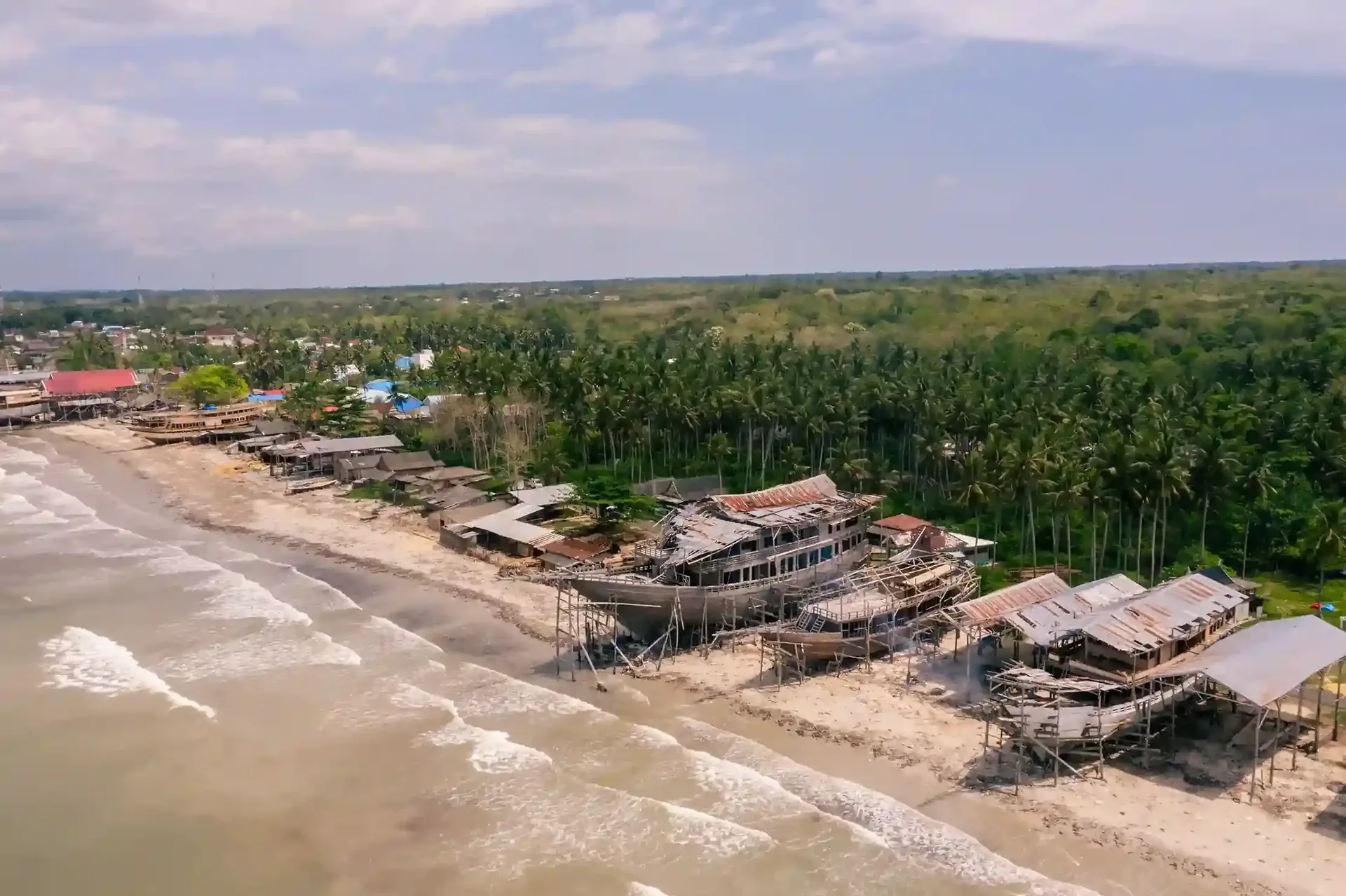
Shipyard · Bulukumba, South Sulawesi
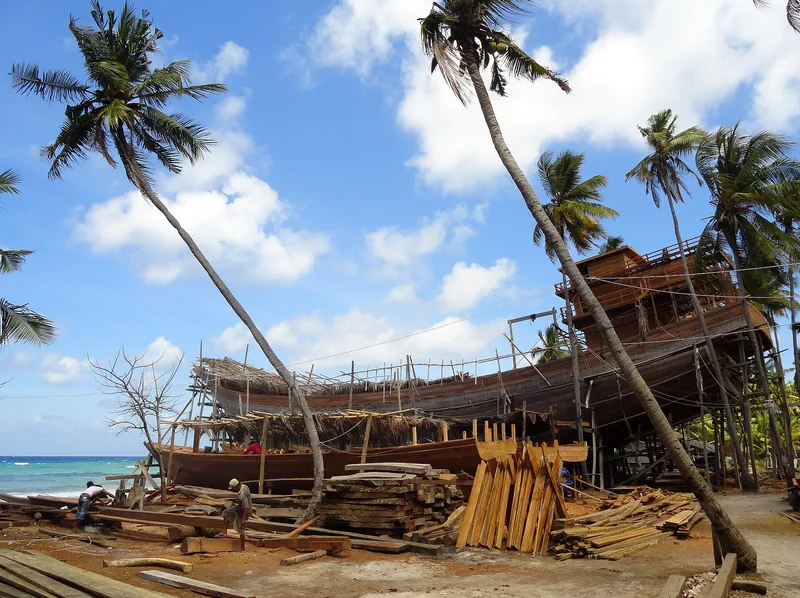
Bulukumba Shipyard connects your ideas with the wooden-boatbuilding tradition of Ara and Bulukumba, South Sulawesi. A private home at sea, a liveaboard or a refit begins with the way you want to use the vessel and the character you want it to have.
Discuss a client-tailored build or refit brief with Bulukumba Shipyard. The named designers, yard and any independent reviewer are identified through the project scoping process.
The work order
New builds and refits need different starting records. One begins with an owner brief and proposed design; the other starts with the existing vessel and its condition. Both need a clear scope and responsible project parties.
Discuss a new wooden Phinisi, yacht or liveaboard around your intended use, design priorities and proposed specification.
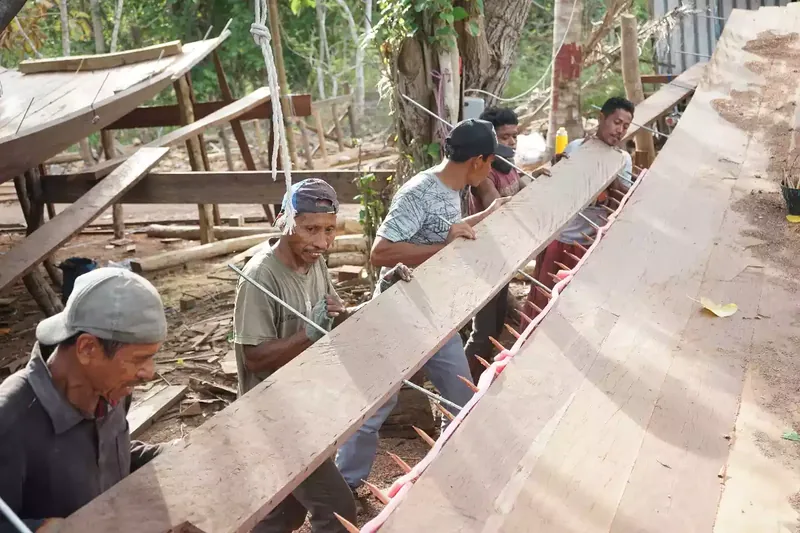 Traditional wooden-boat construction
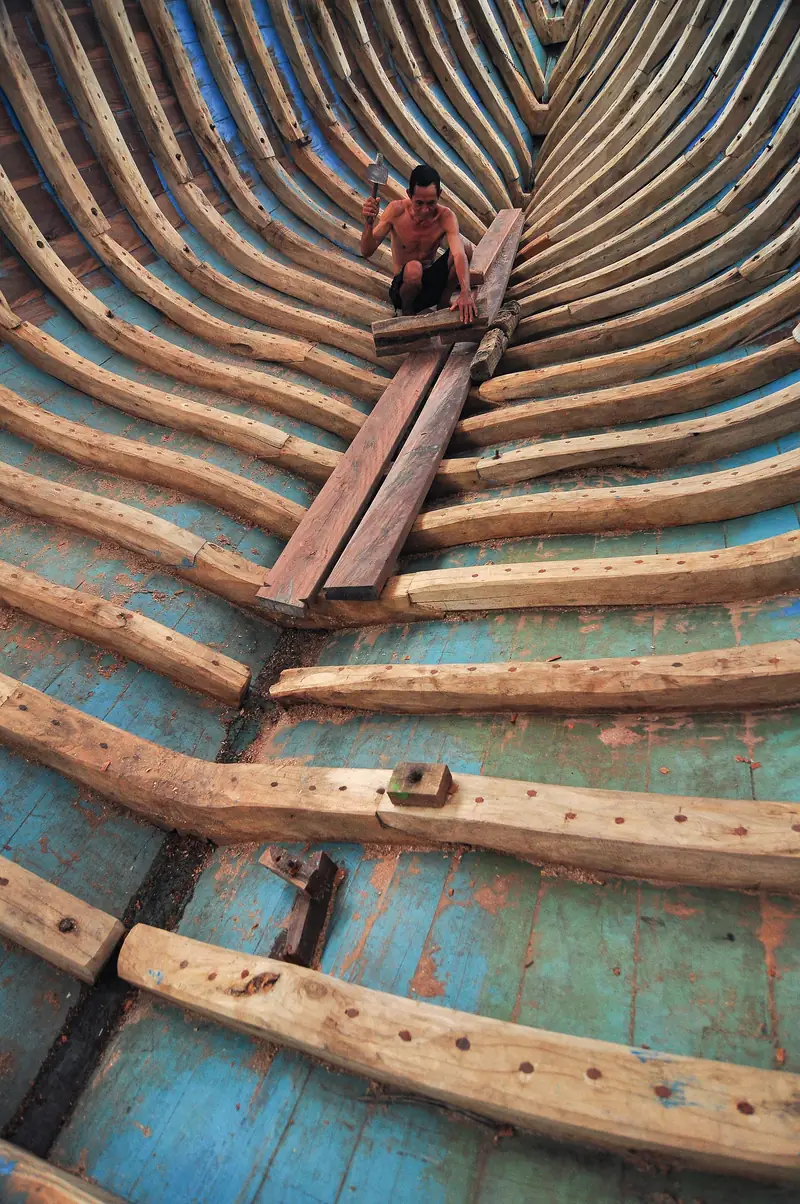
Boat-grade hulls built plank-first in the Konjo tradition, seams locked with hardwood dowels.
Dive-liveaboard newbuild for charter
Built for charter operators: dive deck, cabins and range for Komodo and Raja Ampat.
Cost and programme planning
Cost depends on the agreed drawings, materials, systems, finish, inspection scope and yard proposal. Request a project-specific written estimate with currency, inclusions, exclusions and contingency assumptions; this page does not set a construction price.
A refit starts with the vessel records, condition and the changes the owner wants. Agree access, the assessment scope and responsible specialists before defining repair work, a quotation and a project programme.
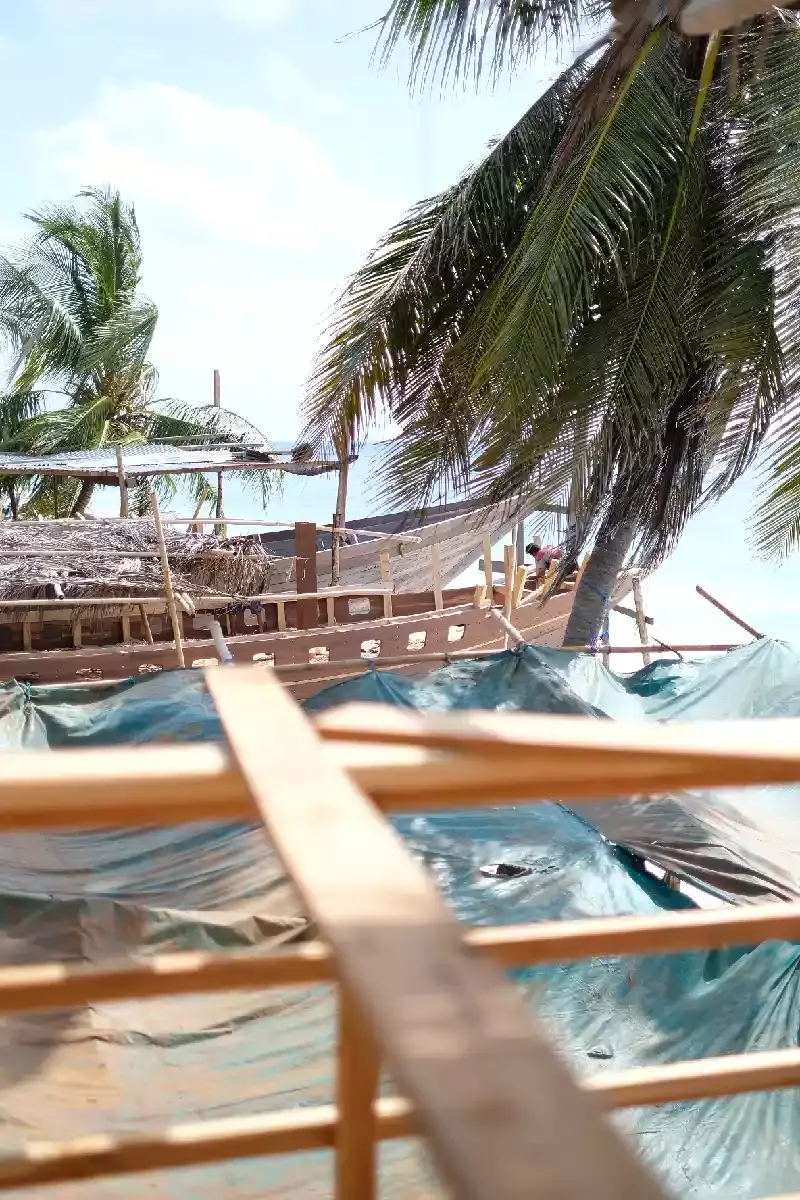
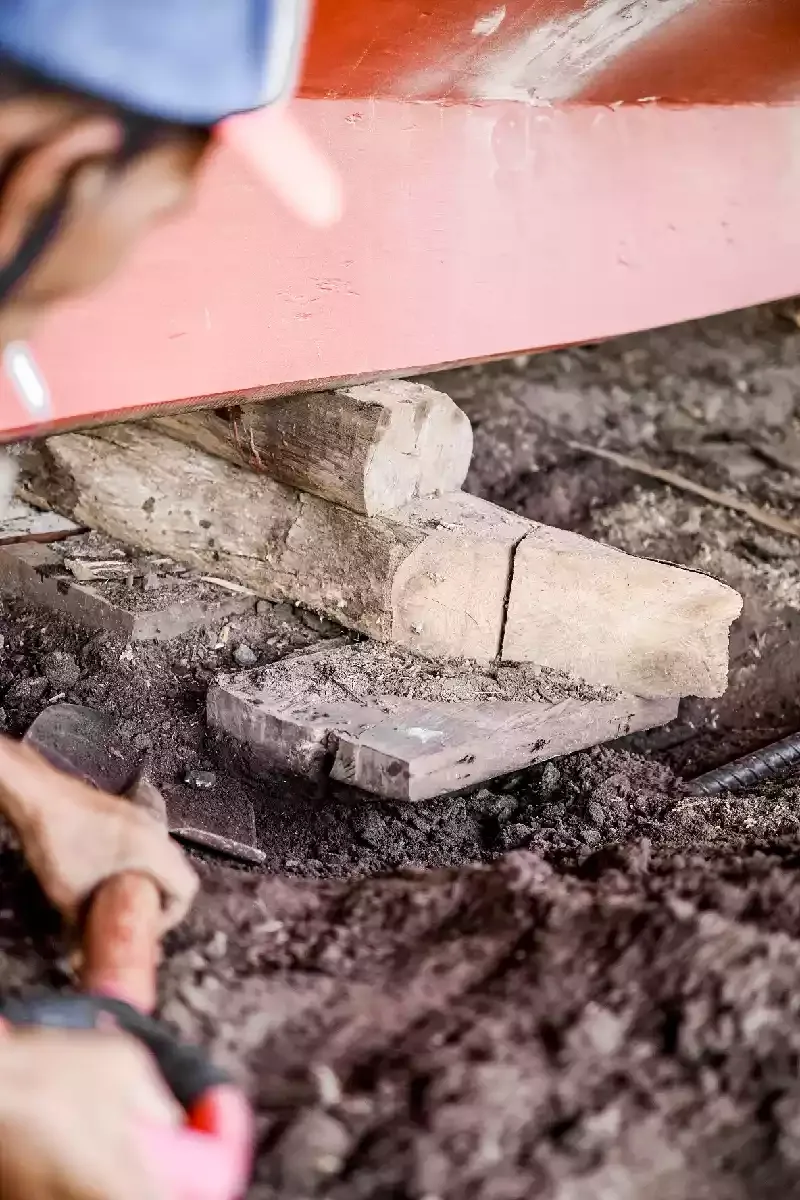 Phinisi repair & refit
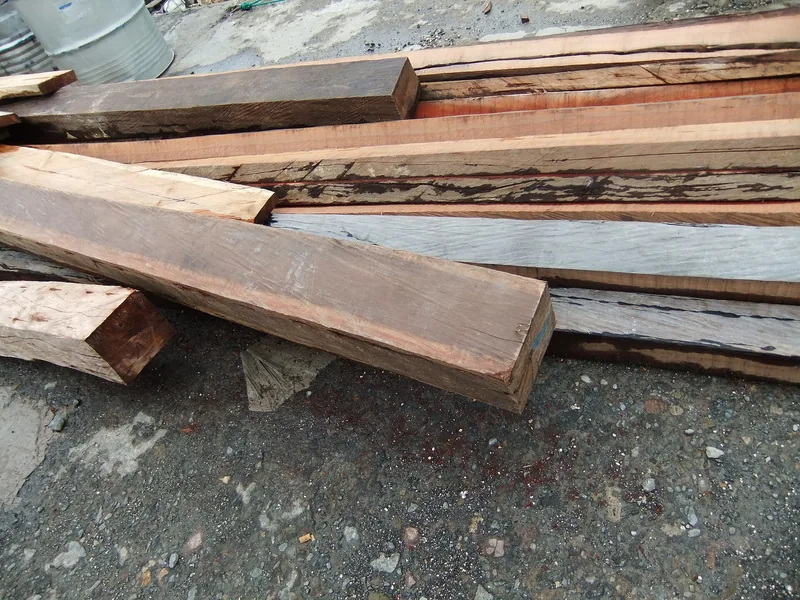
Condition-first repair: rot, re-planking, re-caulking, fastenings and systems.
Full refit & restoration
A written specification, system by system, staged against work completed.
Design coordination
Design coordination starts with your intended use, cabin needs, style and budget priorities. The appointed designer and technical specialists develop and review the drawings with the proposed build team; their scope, deliverables and responsibilities are agreed for the project.
On the record
‘Pinisi, art of boatbuilding in South Sulawesi’ is inscribed on the UNESCO Representative List of the Intangible Cultural Heritage of Humanity — the craft of the shipwrights, Bulukumba foremost among them.
Bulukumba is known across South Sulawesi as the land of the master shipbuilders — the panrita lopi — a name earned over generations of building wooden ships by hand.
Before appointing work, agree the named service provider, drawing and construction scope, exclusions, review points and acceptance criteria. Design, build, operational management and marketing are separate roles; their terms belong in the relevant project agreements.
Project planning
Cost depends on the agreed drawings, materials, systems, finish, inspection scope and yard proposal. Request a project-specific written estimate with currency, inclusions, exclusions and contingency assumptions; this page does not set a construction price.
Full breakdown on the cost & timeline page. Class and Indonesian flag registration are handled separately.
Your Phinisi journey
Begin with your ideas, a conversation and a visit or vessel review where useful. We bring the proposed craft and design team into the discussion, then define the work together before it is commissioned.
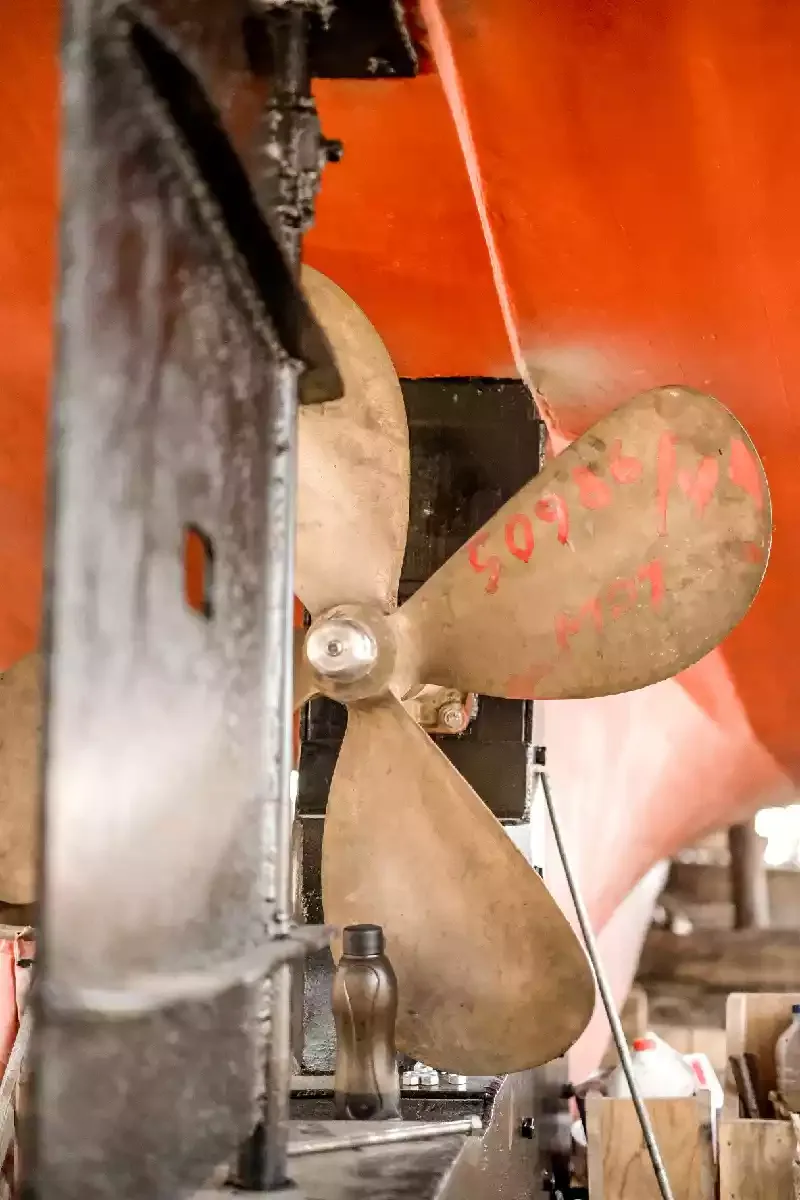
The refit desk
A haul-out proposal depends on vessel length, beam, draft, displacement, condition and access. The proposed yard confirms capacity, lifting or slipway arrangements, the work scope and relaunch requirements before a booking is agreed.
A refit starts with the vessel records, condition and the changes the owner wants. Agree access, the assessment scope and responsible specialists before defining repair work, a quotation and a project programme. Independent survey is a separate appointment.
The project approach
Bulukumba Shipyard connects your ideas with the wooden-boatbuilding tradition of Ara and Bulukumba, South Sulawesi. A private home at sea, a liveaboard or a refit begins with the way you want to use the vessel and the character you want it to have.
Begin with a focused brief, then develop the design, obtain technical and yard input, and agree the scope before commissioning work. Keep progress reviews, changes and acceptance points visible throughout the project.
Straight answers
Read all hundred on the yard FAQ.
Ara and Bulukumba have a living wooden-boatbuilding tradition carried by local shipwrights. A project can draw on that knowledge while an appointed designer, yard and technical reviewers define the drawings, materials and work scope for the client.
A useful programme follows the design and specification, the proposed yard plan, material and equipment lead times, and the agreed inspections and trials. Milestones are developed for that project rather than promised from a standard hull-size band.
Begin with dimensions, intended use, cabin programme, systems and finish priorities. Ask for a written estimate tied to that scope, with currency, inclusions, exclusions and contingency assumptions stated.
Share the intended use, cabin needs, preferred style, budget boundary and any reference images. These inputs form the starting brief for design development, technical review and a project-specific yard quotation.
Provide length, beam, draft, displacement, current condition and location. The proposed yard checks access, capacity, handling arrangements, the work scope and relaunch plan before a booking is agreed.
Identify the vessel character and original features worth retaining, alongside current condition and the changes needed. That provides a basis for the restoration design, investigation and work scope with the appointed specialists.
Yes — ‘Pinisi, art of boatbuilding in South Sulawesi’ was inscribed on the UNESCO Representative List of the ICH in 2017.
The master shipbuilders of Bulukumba, principally Konjo and Bugis, whose plank-first craft passes down through families and apprenticeship.
The yard journal
Tell us what you want to build or what your boat needs. A detailed brief gets a faster, more useful answer than a one-line message.
Commissioning a new phinisi, wooden yacht or liveaboard. Include length, intended use, rig, systems and interior level, and any timing.
WhatsApp a hull briefHauling out, repairing or refitting a wooden hull. Include the boat’s LOA, beam, draft and rough tonnage, its age, and what it needs.
WhatsApp a refit briefTechnical approvals and registration depend on the vessel and intended use.