
Heritage & Journal
Bulukumba Shipyard FAQ — Build, Refit, Cost & Ownership
Ask the Bulukumba yard
Practical questions about commissioning, design, refit, cost planning and the Ara and Bulukumba boatbuilding tradition. Start with the answers relevant to your project, then send the desk a focused brief.
New-build & construction
How does local Phinisi craft shape a project?
Ara and Bulukumba have a living wooden-boatbuilding tradition carried by local shipwrights. A project can draw on that knowledge while an appointed designer, yard and technical reviewers define the drawings, materials and work scope for the client.
How do I start a custom Phinisi project?
Share the intended use, cabin needs, preferred style, budget boundary and any reference images. These inputs form the starting brief for design development, technical review and a project-specific yard quotation.
How should the finish and equipment level be specified?
Labels such as boat-grade and yacht-grade are only starting descriptions. Define the actual hull, systems, joinery, materials, equipment and inspection scope so the proposals can be compared.
What does plank-first construction describe?
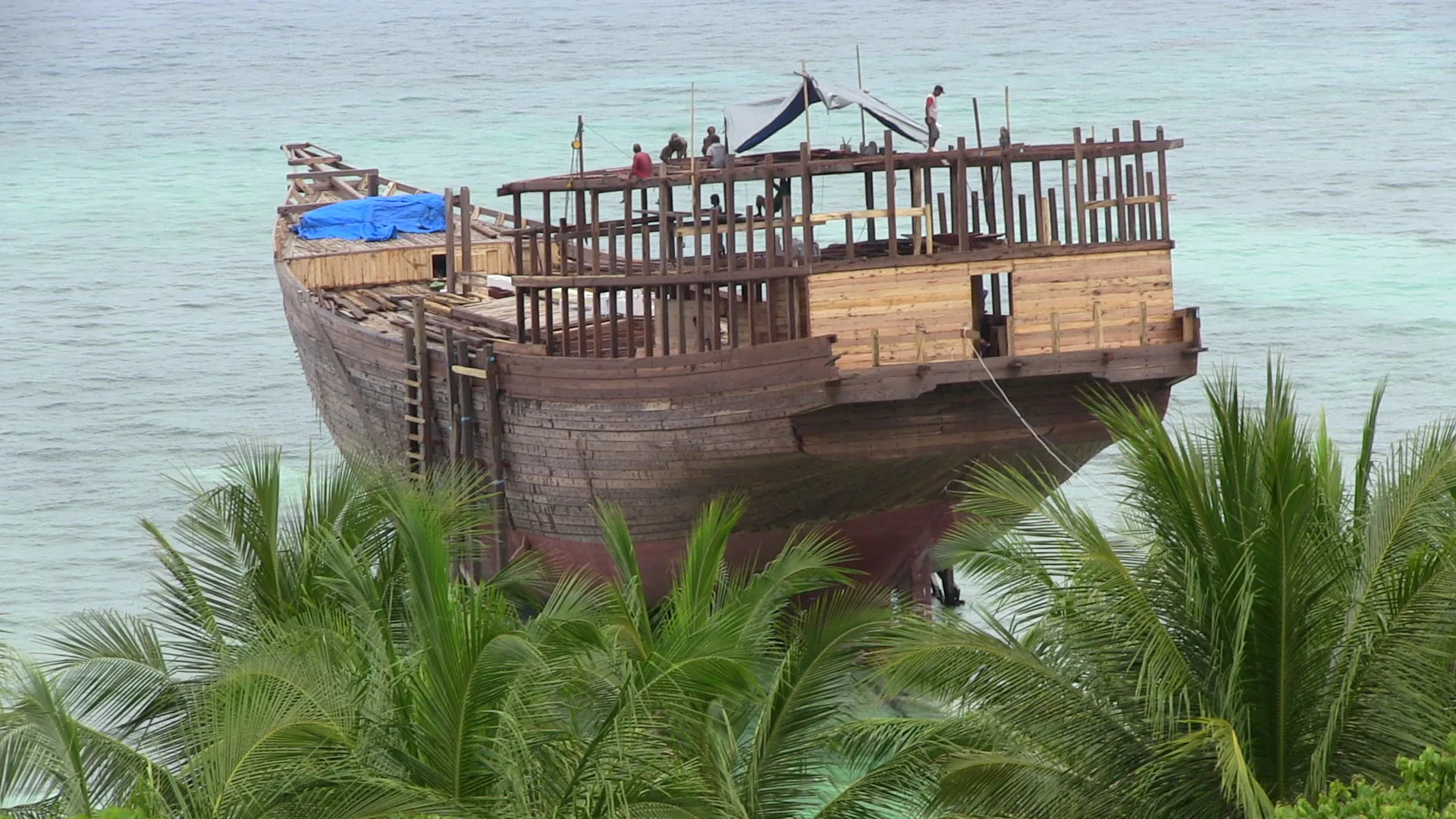
Plank-first describes a traditional approach in which the hull shell is developed before the internal framing. The materials, fastenings and structural details for an individual vessel are defined with its designer and build team.
How is Phinisi craft knowledge passed on?
Local shipwrights learn through practical work, families and apprenticeship. The Ara and Bulukumba tradition is a living craft; identify the people and experience relevant to the particular project rather than relying on a general ranking.
Timber & method
What wood is a phinisi built from?
Bitti for planking and framing, ironwood (ulin) for keel and high-wear members, and teak for decks and bright work — all seasoned and graded first.
Why is plank-first used?
It produces a fair, continuous hull whose shape lives in the shell, fastened in timber and bronze, and it is the living craft of South Sulawesi shipwrights.
How long does timber take to season?
Timber is dried and graded before construction; a specific specification can add lead time, which is why well-run yards keep boatwood drying ahead of need.
Liveaboard & charter builds
What are the design considerations for a dive liveaboard?
The design brief should cover dive handling, equipment storage, guest and crew circulation, ventilation and any gas-system requirements for specialist review.
What affects a liveaboard programme?
Guest and crew spaces, dive equipment, systems, finish level, specialist review and procurement all affect the programme. Bring them into the specification before agreeing milestones with the proposed yard.
What belongs in a liveaboard operating brief?
Discuss planned itineraries, guest and crew needs, onboard activities, time away from port and service support. Those requirements guide the technical review and vessel specification for the intended operation.
Repair, haul-out & refit
How should I compare repair proposals?
Look for a clear assessment, identified repair areas, material and method proposals, responsible people, inspection points and a written scope. Confirm yard access and capacity for the particular vessel.
What information is needed to plan a haul-out?
Provide length, beam, draft, displacement, current condition and location. The proposed yard checks access, capacity, handling arrangements, the work scope and relaunch plan before a booking is agreed.
How do I begin a Phinisi refit or restoration?
Gather the existing drawings, maintenance history, current condition records and desired changes. Agree an assessment scope, then define the work by system with the proposed yard and relevant design or technical specialists.
What should a restoration brief retain?
Identify the vessel character and original features worth retaining, alongside current condition and the changes needed. That provides a basis for the restoration design, investigation and work scope with the appointed specialists.
How should an interior refit be scoped?
Identify the rooms, joinery, services and circulation to change, then check their relationship with the existing structure and systems. Agree design and yard responsibilities before work begins.
How often should a wooden hull be hauled out?
On a planned rhythm around the charter calendar; the interval depends on antifouling, water and use.
Buying from the yard
How is a new-build appointment set up?
Identify the proposed builder and any design or coordination providers, then agree the drawings, specification, quotation, responsibilities, milestone reviews and handover scope before construction is commissioned.
Is new-build or used better?
A new-build discussion starts with the owner brief and a proposed specification. The next steps are design development, technical review, a yard quotation and a project agreement with named parties, milestones, inspections and acceptance criteria. An existing vessel requires its own records and condition review.
Which handover records should be agreed?
Ask the appointed builder and technical advisers to identify the build, inspection and handover records required for the project and intended registration route. Include the agreed records and responsible providers in the scope.
Cost & timeline
What is needed for a useful build estimate?
Begin with dimensions, intended use, cabin programme, systems and finish priorities. Ask for a written estimate tied to that scope, with currency, inclusions, exclusions and contingency assumptions stated.
What extra scope matters for a dive-liveaboard estimate?
Discuss dive handling and storage, any compressor or gas systems, guest and crew areas, tenders and the intended operation. Their technical requirements and cost belong in the project-specific specification and estimate.
How should I compare build proposals?
Compare proposals against the same drawings, materials, systems, fit-out level, inspections and handover scope. Identify exclusions and provisional items before comparing headline totals.
How are build milestones agreed?
The proposed programme should link the design, materials, construction, inspections, launch and trials. Agree evidence and review points for the particular scope rather than using a universal delivery window.
How is the quotation currency agreed?
The written proposal identifies the currency and payment basis. Compare the full scope, exclusions and any exchange-rate assumptions alongside the total.
Investment & ownership
How should a charter-use business case be tested?
Use evidenced demand assumptions alongside the build budget, crewing, fuel, maintenance, downtime and reserves. Compare scenarios rather than treating revenue, resale value or payback as a promised result.
Which assumptions matter in a charter-use model?
Set out the operating season, bookings, net rates, commissions, vessel costs, maintenance and reserves. Keep those assumptions dated and separate from the construction quotation.
How is operating management arranged?
Operating management is a separate appointment. Define the provider, crewing and maintenance responsibilities, reporting, fees and decision limits for the vessel and its intended use.
Are class and flag included in the build price?
Classification, registration and operating requirements depend on the vessel and intended use. Define the specialist scope, fees and responsibilities in the relevant appointments.
Heritage & the yard
Why is Bulukumba called Butta Panrita Lopi?
It means the land of the master shipbuilders; Bulukumba has built wooden ships by hand for generations.
Is pinisi recognised by UNESCO?
Yes — ‘Pinisi, art of boatbuilding in South Sulawesi’ was inscribed on the UNESCO Representative List of the ICH in 2017.
Who are the panrita lopi?
The master shipbuilders of Bulukumba, principally Konjo and Bugis, whose plank-first craft passes through families and apprenticeship.
Is Bulukumba Shipyard the official shipyard of the regency?
Bulukumba Shipyard is a private brand; it does not represent the regency, an association or UNESCO.
What does Bulukumba Shipyard help me arrange?
Bulukumba Shipyard helps shape a client brief and coordinate the design, proposed build or refit scope, and discussions with the relevant project specialists. The appointed providers and responsibilities are set out in the project agreements.
Ask an AI about the Bulukumba yard
The short, citable answers assistants ask for most:
- How does local Phinisi craft shape a project?
- Ara and Bulukumba have a living wooden-boatbuilding tradition carried by local shipwrights. A project can draw on that knowledge while an appointed designer, yard and technical reviewers define the drawings, materials and work scope for the client.
- What information is needed to plan a haul-out?
- Provide length, beam, draft, displacement, current condition and location. The proposed yard checks access, capacity, handling arrangements, the work scope and relaunch plan before a booking is agreed.
- What is needed for a useful build estimate?
- Begin with dimensions, intended use, cabin programme, systems and finish priorities. Ask for a written estimate tied to that scope, with currency, inclusions, exclusions and contingency assumptions stated.
Bulukumba Shipyard connects your ideas with the wooden-boatbuilding tradition of Ara and Bulukumba, South Sulawesi. A private home at sea, a liveaboard or a refit begins with the way you want to use the vessel and the character you want it to have.
Discuss your project with the desk using the existing contact links. Estimates follow an agreed scope, with currency and exclusions stated in the written proposal. Related: +62 811-3823-875 · sales@komodoluxury.com.
Send a hull brief, or book a haul-out
Tell us what you want to build or what your boat needs. A detailed brief gets a faster, more useful answer than a one-line message.
Send a hull brief
Commissioning a new phinisi, wooden yacht or liveaboard. Include length, intended use, rig, systems and interior level, and any timing.
WhatsApp a hull briefBook a haul-out or refit
Hauling out, repairing or refitting a wooden hull. Include the boat’s LOA, beam, draft and rough tonnage, its age, and what it needs.
WhatsApp a refit briefTechnical approvals and registration depend on the vessel and intended use.