
Build desk · The Yard
Wooden Boat & Ship Construction — Traditional Hulls, Bulukumba
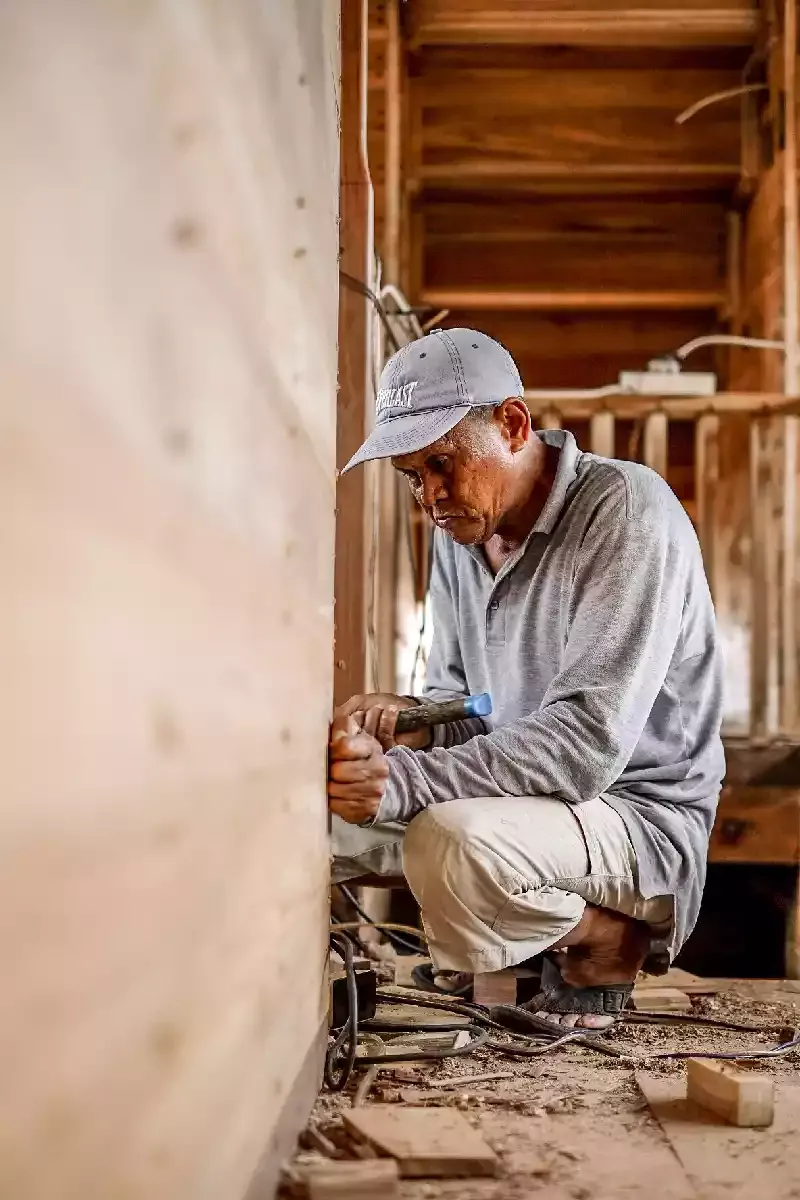
Ara and the wider Bulukumba region have a living wooden-boatbuilding tradition carried by local shipwrights and their craft knowledge. A client-tailored project should respect that skill while defining its drawings, materials, technical review and construction responsibilities. A new-build discussion starts with the owner brief and a proposed specification. The next steps are design development, technical review, a yard quotation and a project agreement with named parties, milestones, inspections and acceptance criteria.
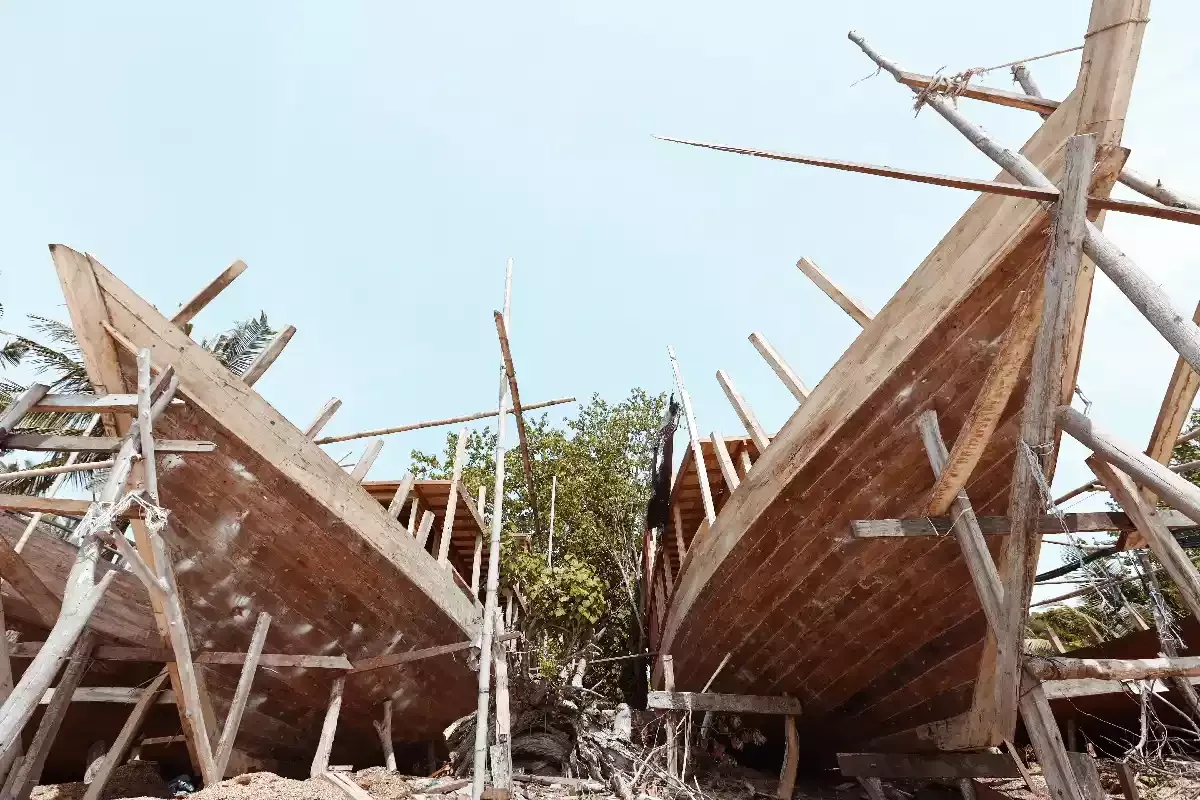
Traditional wooden hulls, built plank-first
Ara and the wider Bulukumba region have a living wooden-boatbuilding tradition carried by local shipwrights and their craft knowledge. A client-tailored project should respect that skill while defining its drawings, materials, technical review and construction responsibilities. Project coordination connects the owner brief, designer, proposed yard, technical reviewers and construction programme.
Timber: bitti, ironwood and teak
The hull begins in the timber stack.
-
Bitti Bitti (Vitex cofassus) is the traditional South Sulawesi boatwood — strong, workable and rot-resistant — used for planking and framing.
-
Ironwood (ulin) Ironwood (ulin) goes where hardness and ground contact matter: keel, stem, and high-wear members.
-
Teak Teak is used for decks, trim and bright work where dimensional stability and weathering count.
Material selection, preparation and checks should be defined with the appointed build team before construction. Read more on how the lines are drawn before timber is cut.
The plank-first sequence
Construction follows the same ordered sequence every time:
Caulking closes the seams; the hull is faired, sheathed or payed as specified, and readied for launch down the slipway. It is a method that rewards patience and punishes shortcuts.
Define the hull and fit-out scope
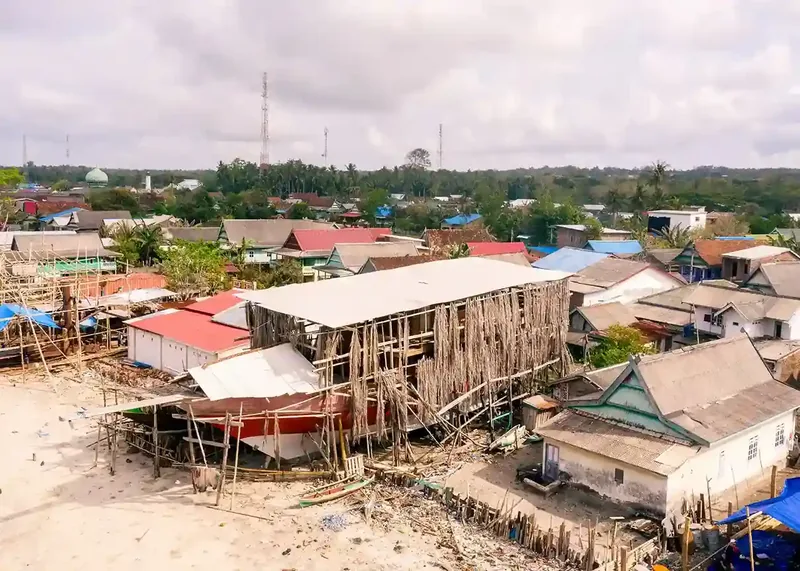
The proposed specification should define whether the project is a private vessel, working boat or charter-use concept, and distinguish hull construction from systems and interior fit-out. Related: phinisi and wooden-yacht newbuild programme.
USD bands and timeline
Cost depends on the agreed drawings, materials, systems, finish, inspection scope and yard proposal. Request a project-specific written estimate with currency, inclusions, exclusions and contingency assumptions; this page does not set a construction price. A project programme follows the agreed design, timber and equipment availability, construction scope, inspections and trials. The responsible yard and specialists set milestones for that project; there is no standard delivery window for every hull. Related: cost and timeline page.
Straight answers
Frequently asked
How does local Phinisi craft shape a project?
Ara and Bulukumba have a living wooden-boatbuilding tradition carried by local shipwrights. A project can draw on that knowledge while an appointed designer, yard and technical reviewers define the drawings, materials and work scope for the client.
What timber is used to build a phinisi?
Bitti (Vitex cofassus) for planking and framing, ironwood (ulin) for keel, stem and high-wear members, and teak for decks and bright work. Timber is selected, seasoned and graded before construction begins.
What is plank-first construction?
The hull skin is raised and faired before the internal frames are fitted — the reverse of frame-first Western practice. Seams are locked with hardwood dowels rather than nails. It is the defining method of South Sulawesi shipwrights.
Bulukumba Shipyard connects your ideas with the wooden-boatbuilding tradition of Ara and Bulukumba, South Sulawesi. A private home at sea, a liveaboard or a refit begins with the way you want to use the vessel and the character you want it to have.
Discuss your project with the desk using the existing contact links. Estimates follow an agreed scope, with currency and exclusions stated in the written proposal. Related: +62 811-3823-875 · sales@komodoluxury.com.
Send a hull brief, or book a haul-out
Tell us what you want to build or what your boat needs. A detailed brief gets a faster, more useful answer than a one-line message.
Send a hull brief
Commissioning a new phinisi, wooden yacht or liveaboard. Include length, intended use, rig, systems and interior level, and any timing.
WhatsApp a hull briefBook a haul-out or refit
Hauling out, repairing or refitting a wooden hull. Include the boat’s LOA, beam, draft and rough tonnage, its age, and what it needs.
WhatsApp a refit briefTechnical approvals and registration depend on the vessel and intended use.