
Dive liveaboard for charter
- Planning band (USD)
- Written estimate
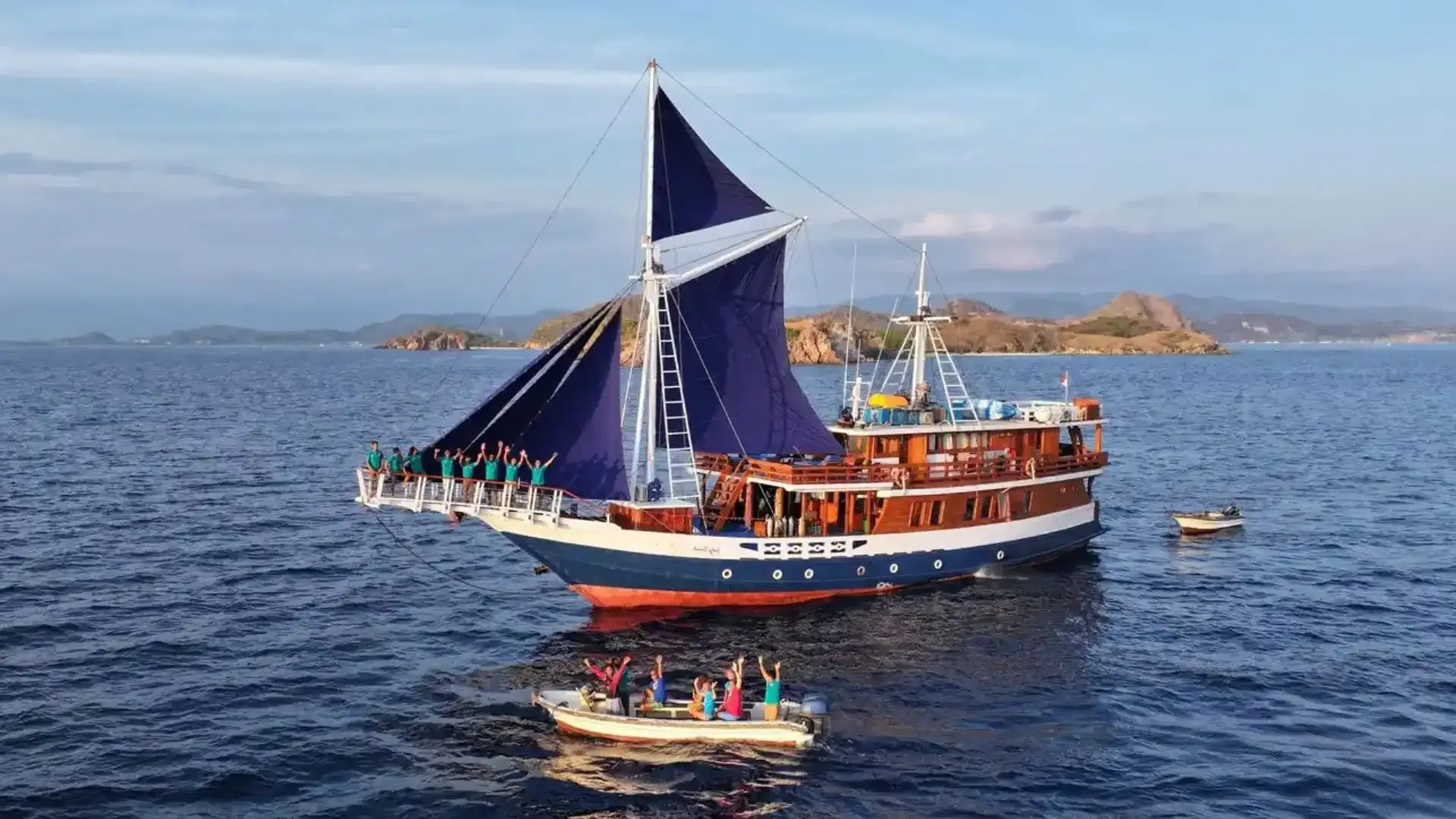
Build desk · The Yard
A liveaboard brief begins with the intended operation, guest and crew needs, route assumptions and onboard activities. Design coordination brings these requirements together for technical review and a project-specific yard proposal.
This page discusses vessel-project planning for charter use. Construction, operational management and charter marketing need separately defined parties and scope. Related: professional vessel and charter management once the boat is in service.
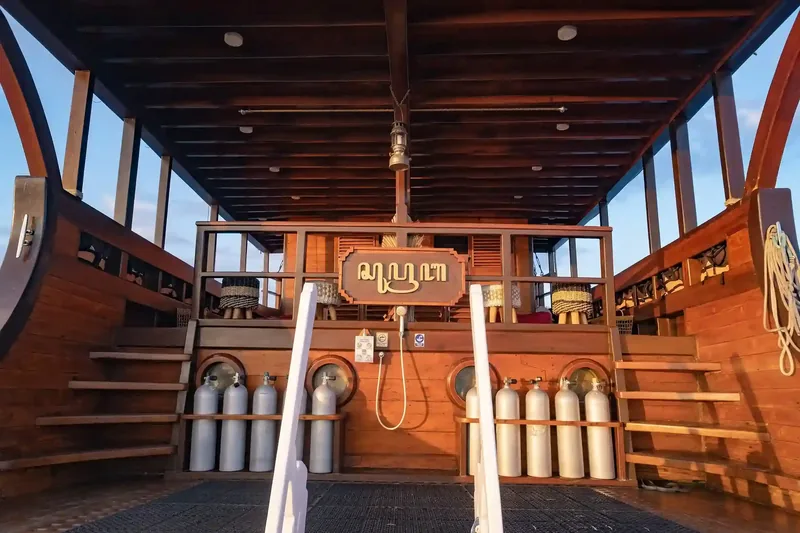
A dive-vessel brief should identify handling space, storage, tender arrangements and any compressor or gas-system requirements. Appointed technical specialists assess the layout, installations and operating requirements for the intended service.
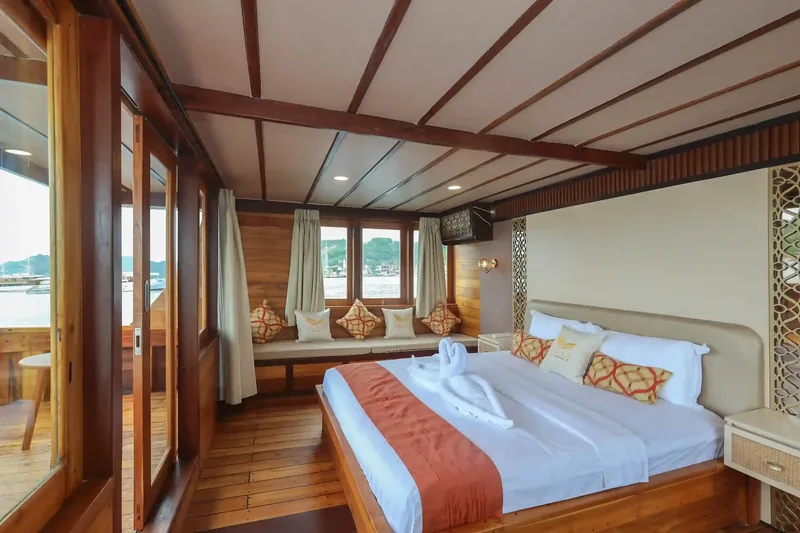
Cabin comfort, ventilation, shared spaces, galley requirements and service access should be discussed together. Coordinate the owner and operator brief with the appointed designer before fixing the layout. Related: design coordination page.
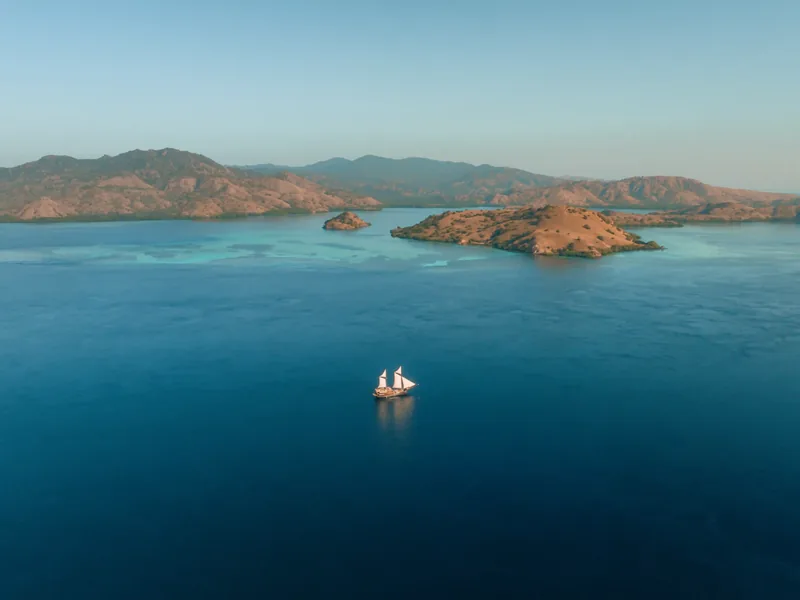
Intended operating areas belong in the design brief. Range, loading, tankage, draft and mooring assumptions require project-specific technical assessment; a destination name does not establish vessel suitability.
Cost depends on the agreed drawings, materials, systems, finish, inspection scope and yard proposal. Request a project-specific written estimate with currency, inclusions, exclusions and contingency assumptions; this page does not set a construction price. A charter-use project needs its own business case using evidenced demand, operating costs, maintenance, downtime and a defined build budget. Revenue, resale value and payback remain scenario assumptions, not promised project outcomes. Related: build-to-charter investment page.
Straight answers
The dive deck (tank benches, rinse tanks, camera table, ladder), an isolated compressor and nitrox membrane, cabin air handling and quiet running at anchor, and range and tankage for long itineraries. The hull is specified around the operation and guest count.
Guest and crew spaces, dive equipment, systems, finish level, specialist review and procurement all affect the programme. Bring them into the specification before agreeing milestones with the proposed yard.
Include the proposed routes, time away from port, guest and crew needs, and onboard activities. Appointed technical specialists assess loading, range, tankage, draft and applicable requirements for that particular vessel.
Bulukumba Shipyard connects your ideas with the wooden-boatbuilding tradition of Ara and Bulukumba, South Sulawesi. A private home at sea, a liveaboard or a refit begins with the way you want to use the vessel and the character you want it to have.
Discuss your project with the desk using the existing contact links. Estimates follow an agreed scope, with currency and exclusions stated in the written proposal. Related: +62 811-3823-875 · sales@komodoluxury.com.
Tell us what you want to build or what your boat needs. A detailed brief gets a faster, more useful answer than a one-line message.
Commissioning a new phinisi, wooden yacht or liveaboard. Include length, intended use, rig, systems and interior level, and any timing.
WhatsApp a hull briefHauling out, repairing or refitting a wooden hull. Include the boat’s LOA, beam, draft and rough tonnage, its age, and what it needs.
WhatsApp a refit briefTechnical approvals and registration depend on the vessel and intended use.