Building a Dive Liveaboard: Deck, Compressor and Cabin Decisions
Shipyard Journal 1 min read
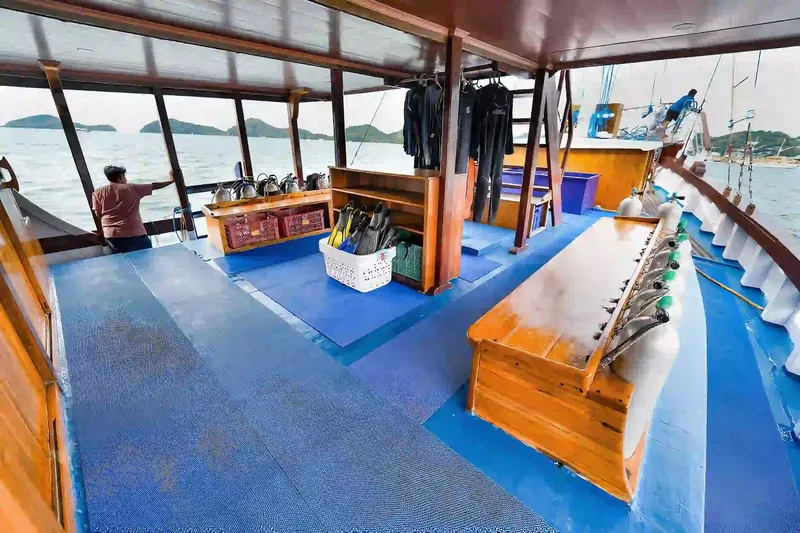
A dive liveaboard is built from the dive deck outward. Get the deck, the compressor and the cabins right and the boat runs itself all season; get them wrong and the crew fight it every day. Here are the decisions that matter most.
The dive deck
Tank benches and rinse tanks sized to the guest count; a camera table that stays dry; a ladder and platform a loaded diver can climb in a swell; and tenders that launch fast. The deck is the boat’s production line and it should flow.
Compressor and nitrox
The compressor and nitrox membrane are isolated for noise and heat, with fill lines run so a full set of tanks is ready between dives. Turnaround time between dives is a direct function of getting this right.
Cabins and comfort
Cabin comfort, ventilation, shared spaces, galley requirements and service access should be discussed together. Coordinate the owner and operator brief with the appointed designer before fixing the layout.
See the full build brief on the liveaboard newbuild page, with layout drawn on the design desk.
Discuss your project with the desk using the existing contact links. Estimates follow an agreed scope, with currency and exclusions stated in the written proposal. Related: +62 811-3823-875 · sales@komodoluxury.com.
Straight answers
Frequently asked
What matters most when building a dive liveaboard?
The dive deck (benches, rinse and camera tables, ladder), an isolated compressor and nitrox with fast fill lines, and comfortable, quiet cabins. The boat is built from the dive deck outward around the guest count.
How do cabins affect a liveaboard’s return?
Every comfortable cabin that sells is revenue — measured as RevPAC. Air handling, quiet running and working heads decide whether guests rate and rebook the boat.