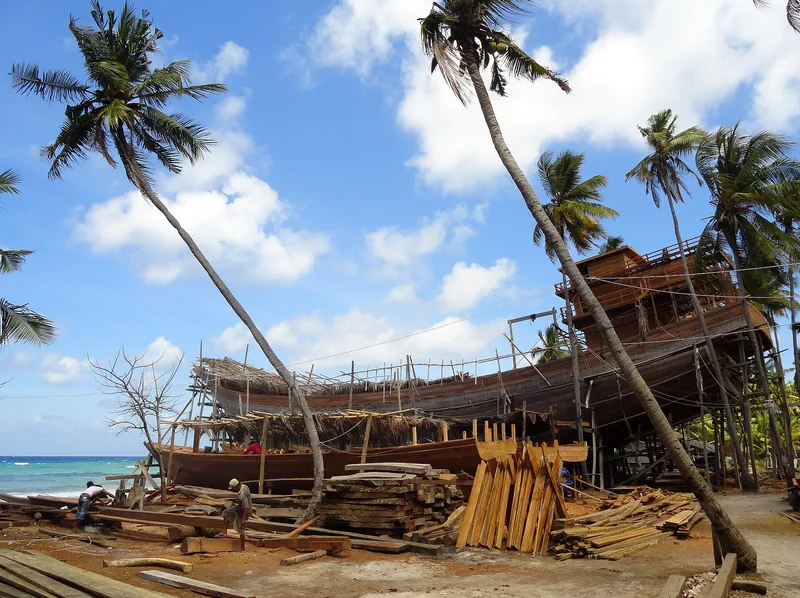
Naval Architecture for Wooden Boats: Marrying Tradition and Class Rules
Shipyard Journal 1 min read
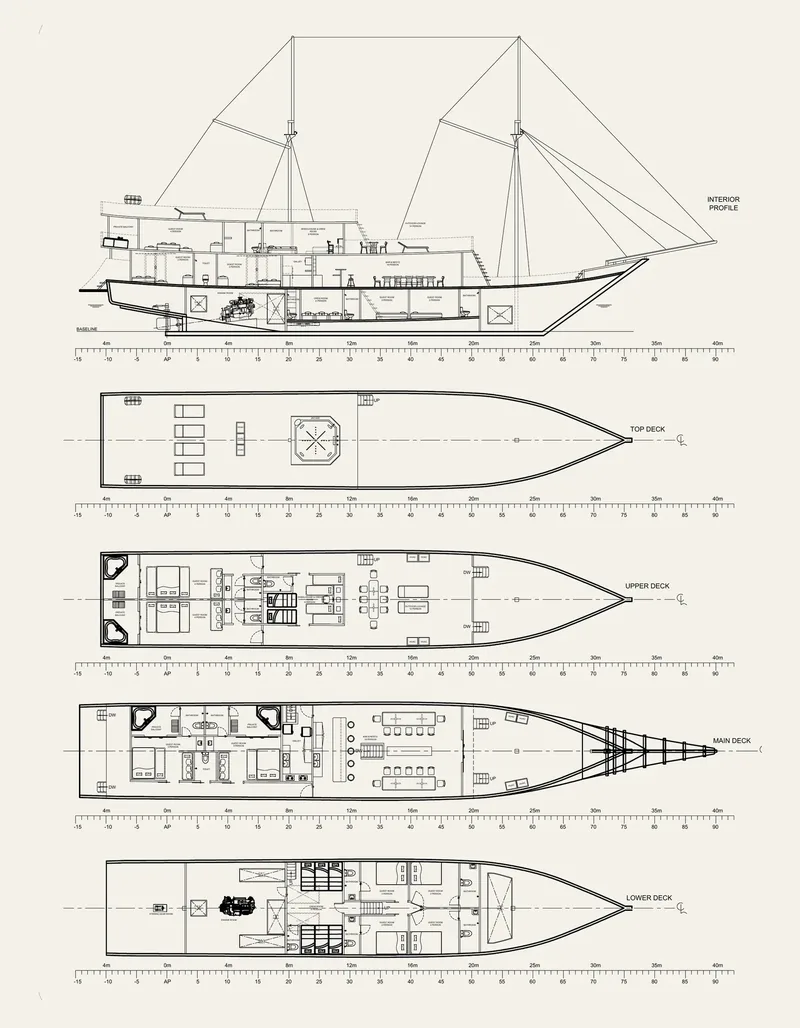
Design coordination starts with your intended use, cabin needs, style and budget priorities. The appointed designer and technical specialists develop and review the drawings with the proposed build team; their scope, deliverables and responsibilities are agreed for the project.
Lines set the character
The appointed naval architect assesses the lines, loading and intended operation. Traditional craft knowledge and technical review need to be coordinated for the particular vessel.
Structure to the rules
Design coordination starts with your intended use, cabin needs, style and budget priorities. The appointed designer and technical specialists develop and review the drawings with the proposed build team; their scope, deliverables and responsibilities are agreed for the project.
Tradition and class together
Traditional boatbuilding knowledge can inform a project alongside specialist design review. Classification or other technical acceptance depends on the applicable requirements, drawings, inspections and responsible approval parties.
See the design service on the naval architecture page and the yacht-grade build it feeds on the phinisi yacht page.
Discuss your project with the desk using the existing contact links. Estimates follow an agreed scope, with currency and exclusions stated in the written proposal. Related: +62 811-3823-875 · sales@komodoluxury.com.
Straight answers
Frequently asked
Can a traditional wooden phinisi be built to class?
Design coordination starts with your intended use, cabin needs, style and budget priorities. The appointed designer and technical specialists develop and review the drawings with the proposed build team; their scope, deliverables and responsibilities are agreed for the project.
Does class change how the boat looks?
No. The traditional lines and plank-first method are kept; class is satisfied in the engineered structure beneath, not by altering the boat’s character.