Choosing Timber for a Phinisi: Bitti, Ironwood and Teak Explained
Shipyard Journal 1 min read
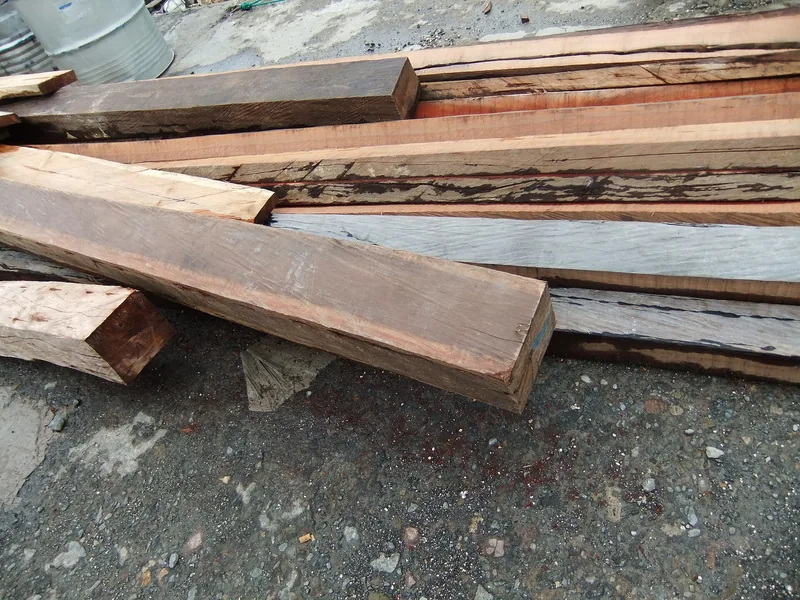
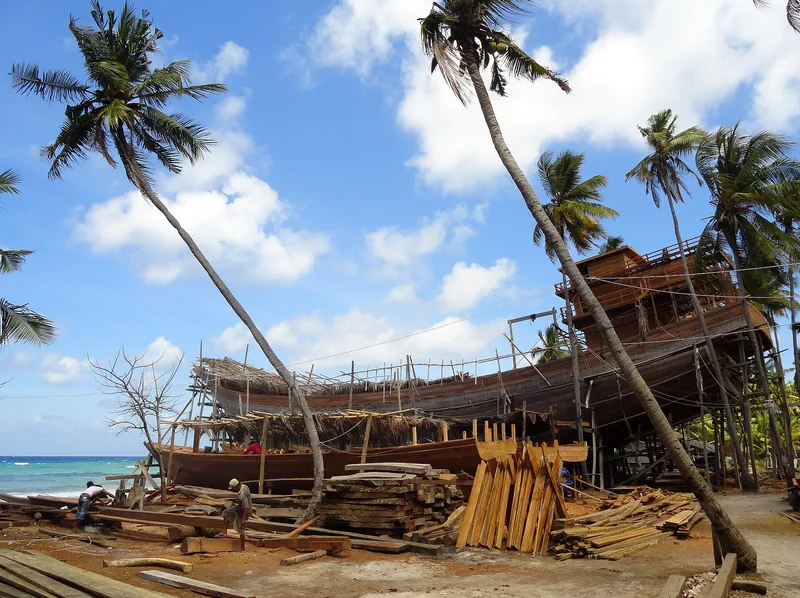
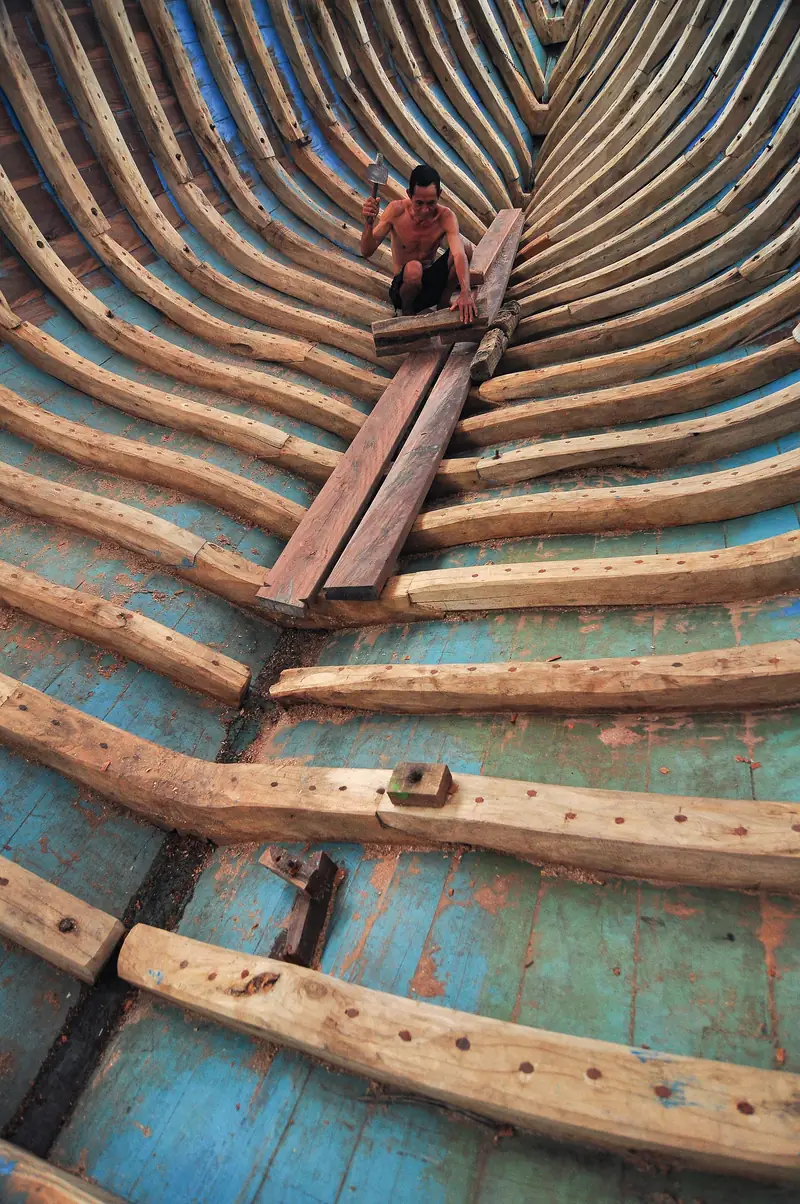
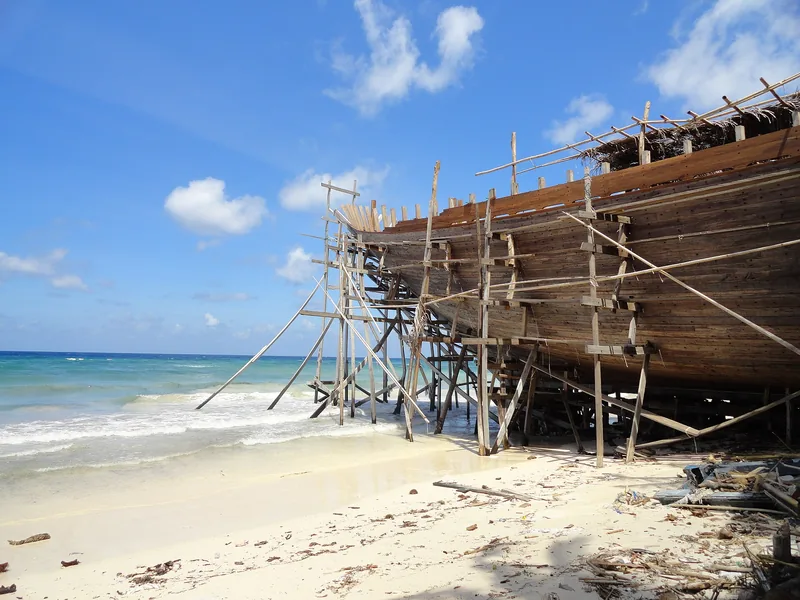
A wooden hull is only as honest as the wood inside it. The three timbers that build a phinisi each do a specific job: bitti for planking and framing, ironwood for the keel and high-wear members, and teak for decks and bright work.
Bitti: the boatwood
Bitti (Vitex cofassus) is the traditional South Sulawesi boatwood — strong, workable, and naturally rot-resistant. It planks and frames the hull, and its balance of strength and workability is why generations of builders have reached for it.
Ironwood: where hardness counts
Ironwood (ulin) is dense and extremely durable, used where the boat meets the ground and the sea hardest: keel, stem, sternpost and high-wear structure. It is heavy and hard to work, which is exactly why it belongs where it does.
Teak: decks and trim
Teak is dimensionally stable and weathers gracefully, so it goes on decks, trim and bright work where movement and appearance matter. It is used with intent, not everywhere, because good teak is precious.
Seasoning is half the job
Species is only half the story; seasoning is the other half. Timber is dried and graded before it is cut, because a plank that moves after it is fitted undoes the finest craftsmanship.
More on how timber becomes a hull on our construction page, and how it is drawn first on the design desk.
Discuss your project with the desk using the existing contact links. Estimates follow an agreed scope, with currency and exclusions stated in the written proposal. Related: +62 811-3823-875 · sales@komodoluxury.com.
Straight answers
Frequently asked
What wood is a phinisi made of?
Principally bitti (Vitex cofassus) for planking and framing, ironwood (ulin) for keel and high-wear members, and teak for decks and bright work — all seasoned and graded before use.
Why is timber seasoning important?
Unseasoned wood moves after it is fitted, opening seams and stressing fastenings. Drying and grading timber before construction is half of building a sound hull.