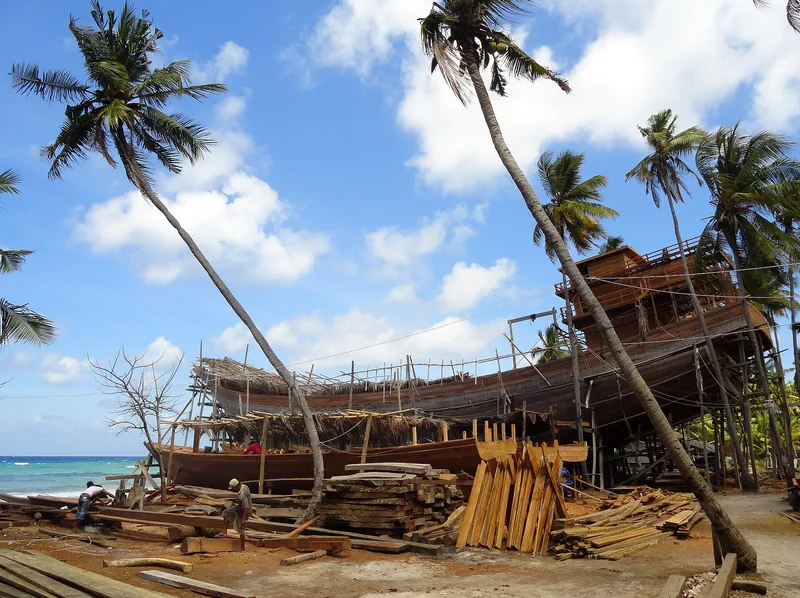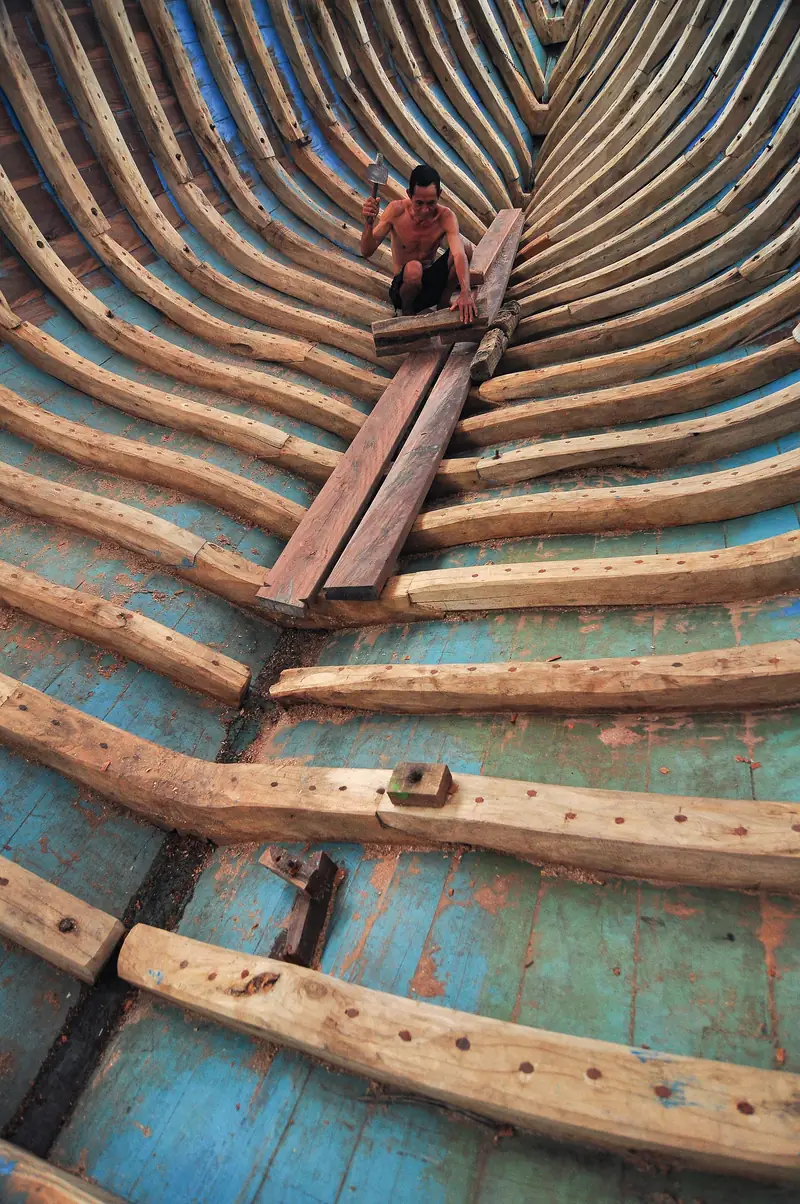
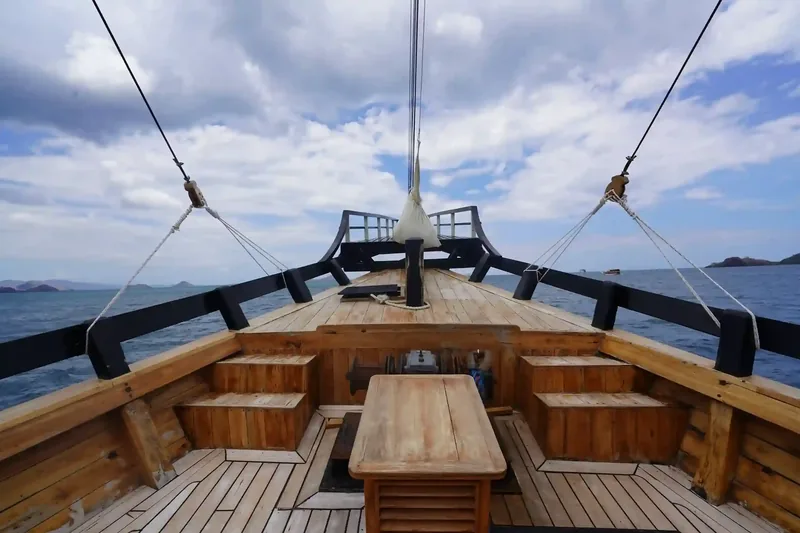
Turning a working phinisi into a charter-ready boat is a refit project with a clear route: assess the hull, upgrade structure and systems, build guest-standard cabins and a dive deck, and bring the whole boat to a standard that sells and lasts. Here is the map.
Start with the hull
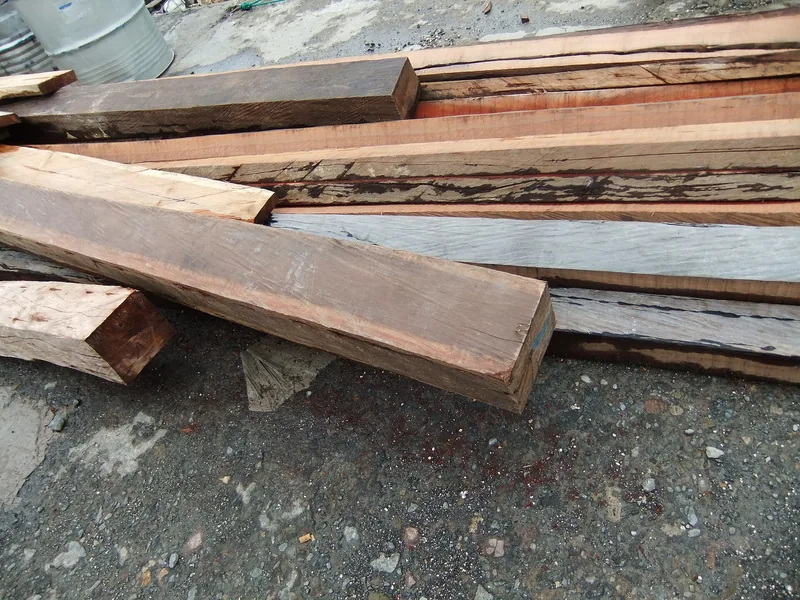
Charter income rests on a sound hull, so the route starts with a condition-first assessment and any structural work — re-planking, fastenings, seams — before a cabin is built. There is no point finishing an interior over a hull that needs work.
Systems and safety
Fuel, bilge, electrical, steering and safety gear are brought up to a standard a paying operation needs. This is unglamorous work that decides whether the boat runs a full season without drama.
Guest standard
Then the visible upgrade: cabins with proper air handling, a working galley and heads, and a dive deck the crew can run all day. This is where a working boat becomes a boat guests rate.
See the programme on refit and restoration, and the economics on build-to-charter.
Discuss your project with the desk using the existing contact links. Estimates follow an agreed scope, with currency and exclusions stated in the written proposal. Related: +62 811-3823-875 · sales@komodoluxury.com.
Straight answers
Frequently asked
How do you turn a working boat into a charter boat?
Assess the hull condition first, do any structural work, upgrade systems and safety, then build guest-standard cabins and a dive deck. The route runs hull-first because charter income rests on a sound boat.
Can any wooden boat become a charter liveaboard?
Only if the hull is sound or can be made sound economically. A condition-first assessment tells you whether a refit makes sense before you invest in the interior.